Thank you for finding interest in Raise The Barre Ballet Academy Blogs. The blogs below are all about shedding light and clarity around all things dance and providing you with an understanding on why we do certain things at RTB. We understand especially for first time dance families there can be a lot of questions and uncertainty when starting the dance journey. These blogs are to help you navigate this journey and answer any questions you might have.
Why Can’t I Watch My Child’s Dance Class?

At RTB we love when our dancer’s can share what they learn in class and all of their achievements, this is why we have a recital week at the end of each term. Recital week is such an exciting time for both our dancers and families as it gives parents the opportunity to watch their child’s achievements. Dancer’s love showcasing what they have learnt throughout the term.
Often we are asked by parents if they can stay to watch class, the truth is student’s focus best on learning when it is just the dancer’s and teacher in the room. We also certainly understand how worrying and hard it can be to leave your little one with us for their dance lesson. Through this understanding RTB welcomes you to watch their first lesson where you can see our fun, nurturing program and meet your dancer’s teacher, helping you decide if the classes at RTB are right for you and your dancer. After your dancer’s first lesson we ask that you trust us to support them in independantly attending class while you enjoy some free time until they have finished.
With our classes ranging from 30 – 45 minutes long we need our dancers to be engaged during every moment of the class, so they achieve the maximun learning possible. It is also our experience that children build self-confidence, trust and rapport faster with their teacher’s and peers when parents are not present. We have also seen how our students build independance and a belongingness to their dance classes quicker, we love seeing them feel like apart of RTB’s family.
Even if you are watching quietly and may feel as though you won’t be a distraction for your child or others students, as their parent you are their shining light and their focus point, especially younger children. For them to concentrate on learning steps following instructions or moving to the music they need complete focus. If you are sitting just across the room they can’t separate and their learning will be distratced as they try to watch for your expressions and your reactions.
Parents often like to chat, dance can be a great place to connect and we encourage that you take the time while your child is in class to make dance friends in our parent waiting areas. If you were to chat to one another in class the volume levels in the room rise, making it harder for dancers to hear instructions and the music, the teacher also has a harder time teaching as children are distracted by the noise. RTB knows from years of dance teaching experience, if parents aren’t visible, children distraction levels are reduced and learning is optimised.
If your child is enrolled with Raise The Barre Ballet Academy and you would like to watch them in action please ensure you come to our end of term in class recitals, all of our students and parents look forward to this week each term. It is a proud moment for both you and your dancer. It is natural for you to worry about your dancer, rest assured our teachers all hold a current working with children check, supervise the children from the moment they walk into class until they are safe and back with you. We take great care in ensuring your child enjoys her class with us and most importantly our teachers love and adore their ballerinas.
Five Reasons We Love Dance Competitions

The word competition can have negative connotations, which RTB completely understand through their own personal experiences competing in dance competitions. As a young child Miss Amber competed in multiple dance competitions from solos to duos and even troupe dances. No matter if she was dancing alone or in a group she always dreaded participating due to the competitive energy and the fear of not performing well enough. She was never pushed to compete and loved learning her competition dances and being able to dance on stage so she knew she needed to push through the nerves. She was glad she did as she received so much from competing in competitions, which supported her in becoming the dancer she is today.
Competitions can have many benefits for dancers, as long as the dancer and supporters bring a healthy and positive attitude. At RTB we encourage our dancers to have a go, it is not about the winning but the effort and the experience. In our eyes any dancer that puts them self out there to show where they are in their personal dance journey is already a winner.
Below are some benefits for involving you dancer in competitions and reason RTB promotes competitions:
Sense of Achievement
Even though Miss Amber dreaded going out on stage at competitions she always felt so amazing after getting off stage due to a sense of achievement she felt and why she continued to compete. Something that we can all relate to is the sense of achievement we feel when we accomplish our goals. Setting the goal of perfecting a dance routine, getting up on stage to perform it and loving the process is a wonderful way for a dancer to improve their skills and feel great about them self.
Emotional Strength
Performing on stage in front of judges, peers and audience members can be daunting and overwhelming, especially for younger dancers. The ability to accept critique, even rejection and see this as a learning opportunity can be one of a dancer’s greatest strengths. Competitions force a dancer to accept criticism and rejection gracefully, even win gracefully too. Competitions help dancers build up resilience that will help them deal with criticism and feedback in all aspects of their life.
A Good Attitude
Learning to develop a good attitude about competitions can make a dancer a fair, levelheaded person. Learning how to accept defeat without a fuss, but also win without judging others as less, helps a dancer to build humility. There will always be a dose of competiveness in life, whether it is in a job interview, or in a game of Monopoly, it is important for children to develop the skill of compassion and how to take the higher moral ground early in life.
Competitions are Fun
Competitions are such a fantastic way to have fun with dance friends, they create a greater sense of belonging to the dance studio and dance world. Comradeship is built a dancers support each other by cheering each other on. Getting to showcase a routine, supporting dance friends and watching other amazing performances from other dancers is a great way to share the love of dance.
Confidence
Some children are born for the stage and thrive in the competitive environments. Mastering a dance and getting to show it off builds confidence in young dancers. The achievement of getting through all that leads up to the stage performance, including stage fright to walking off the stage after performing is a great confidence builder. The dancer can feel very proud of this achievement, no matter if they win or not.
At the end of the day competitions should never be about winning, winning is just an added bonus to all the fun you had wearing your costume and showcasing all of your hard work, whilst performing on stage. Competitions are a great experience for any dancer and can help develop vital skills that will be useful in their day-to-day lives.
If you are interested in joining our Competition Family follow the link below to learn more about the requirements and how to get your dancer’s solo or duo started!
Why Dance Exams?
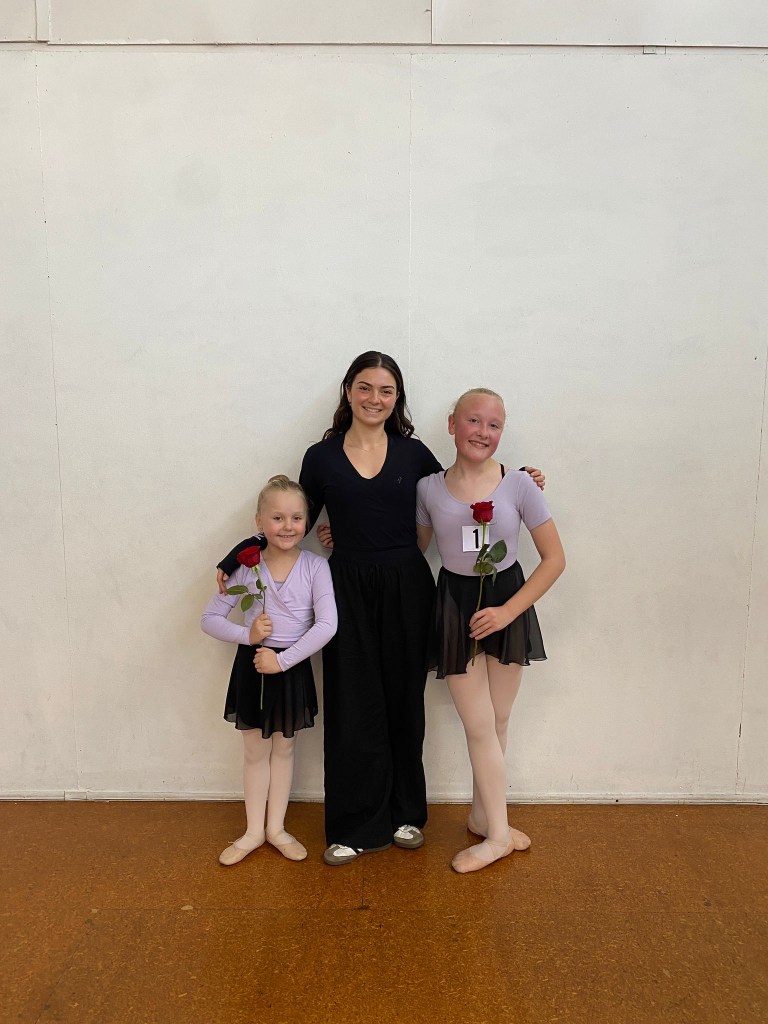
Participating in ballet exams can sound very scary due to the fact of the word exam, let’s be real no one gets excited to sit an exam they are nerve racking, add pressure and sometimes stress to those involved. Although I believe children sometimes need a little ‘pressure’ in their lives to become independent, resilient and successful adults.
Throughout a ballet lesson the exercises your dancer learns comes from a syllabus designed to help dancers develop their technique at a safe pace, relative to their physical and cognitive developmental stages to safely practice ballet and prevent injuries. Just as in school a student takes tests, assignments and quizzes to ensure they have understood and learnt what they need to in order to progress and add to their learning’s. This is the same for ballet exams, a teacher needs to ensure their students safely and sufficiently demonstrating exercises to move to the next grade and build upon their understandings.
Ballet Exams Make Student’s Better at Ballet
Sustainable change and growth has to come from students intrinsically wanting to improve. By placing a goal (the exam) in front of them, they are able to see why they should want to improve. As an adult we can see the benefits of ballet and why we should train consistently and regularly. Most of the time young students need something more tangible, such as a grade, an exam, a result. Very few students can successfully train, improve and keep their focus without some sort of direction or goal.
Ballet Exams are Excellent for Training Mindset
When entering an exam the student is required to focus and adapt a strategic mindset. Strategy and critical thinking set students up for a successful exam experience that allows them to apply strategy and thought to other challenges or projects in their life. Before students sit their exam we spend time talking about words that describe how they should entre the exam:
- Calm
- Mindful
- Focused
- Collected
- Respectful
- Joyful
- Confident
Students can take this practice into many other aspects of their life.
Ballet Exams Encourage Emotional Agility
If you suppress emotions, emotional growth gets stuck. Radical acceptance of how you are feeling at any given time is important in being able to label the emotion and move on is super important.
A ballet class doesn’t stop, regardless of how you are feeling students are encouraged to work through exercises to allow them to simultaneously work through their emotions and take their mind off whatever was bothering them. Hence why they always feel better leaving class than when they entered.
Ballet exams also make students vulnerable. Whilst competition solos might highlight a student’s best asset, a ballet exam is a showcase of skills that can expose a dancer’s weakness and strengths. During preparation to sit an exam the teacher will highlight a students weakness to help them improve. The ability to handle criticism and follow through with the criticism is a prerequisite for success. Ballet exams help mould students emotional agility to process, navigate and accept difficult emotions and thoughts whilst receiving criticism.
At the end of the day discomfort is the price of admission to a more meaningful life and ballet exams give students a safe space to experience discomfort and work throughout it.
 raisethebarreballet.com